


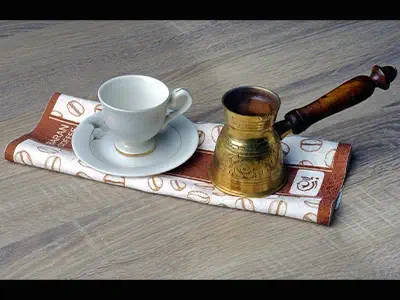

After one week of visiting restaurants, cafés, and family homes, I’m excited to finally share the food photography series my Iranian friends and I worked on so passionately. Our goal was to showcase traditional Iranian food in an authentic yet visually vibrant way — and we couldn’t be happier with the results.
Discovering Iran Through Food
There is no better way to understand a culture than through its cuisine. You can explore historic buildings and spend hours in museums, but nothing connects you to people more deeply than sitting around a family table, sharing homemade Persian dishes, or wandering through a lively bazaar filled with intoxicating aromas and colorful ingredients.
Food preserves history, memories, and emotion. It is a universal language—understood through flavors, textures, and scents. Beyond national identity, Iranian cuisine also reflects regional diversity, with each area offering unique specialties and subtle variations.
This series highlights popular classics as well as traditional and lesser-known dishes (especially those unfamiliar in Western cultures). We styled each dish in a bright setting using traditional Iranian tableware, vintage fabrics, and hints of iconic Persian blue to reflect the country’s artistic heritage.
Iranian Main Dishes & Classics
Kebab Koobideh & Doogh

Ground beef skewers grilled over charcoal and served with rice or bread and fresh basil.
Doogh is a refreshing yogurt-based drink mixed with water and mint, ranging from salty to slightly sour.
Zereshk Polo ba Morgh

Rice topped with saffron-infused barberries and tender chicken. The sweet-sour barberries are cooked with saffron, sugar, and oil, creating a beautiful contrast of flavors.
Morghe Zaferani (Saffron Chicken)

Saffron is central to Iranian cuisine, and this fragrant chicken dish highlights its rich aroma and golden color.
Polo ba Tahdig Sibzamini
Rice layered over sliced potatoes and cooked until a crispy golden crust (tahdig) forms at the bottom — often considered the most delicious part of the meal.
Morassa Polo
A festive saffron rice dish topped with orange peel, raisins, almonds, pistachios, carrots, and barberries. Typically served on special occasions.
Iranian Sides & Starters
Sabzi Khordan, Zeytoon Parvarde & Shoor
Fresh herbs, radishes, onions, marinated olives with pomegranate and walnuts, and assorted pickled vegetables. Pickling plays a significant role in Iranian cuisine.
Mast Moosir
Savory yogurt mixed with herbs and mild garlic, served alongside most meals.
Kashke Bademjoon
Eggplant dip blended with curd and garlic, topped with fried mint and onions.
Mirza Ghasemi
A Northern Iranian specialty made of smoked eggplant, tomatoes, garlic, and egg.
Torshie Bademjoon Shekam Por
Pickled eggplant stuffed with vegetables—bold, sour, and full of character.
Iranian Breakfast
Khame Moraba ba Asal
Fresh fruits served with thick cream, jam, honey, and bread.
Sobhaneye Sonati Irani
A traditional breakfast featuring cheese, tomatoes, cucumber, walnuts, seasonal fruit, and bread.
Iranian Tea Culture
Tea is central to Iranian hospitality.
Chai Siah
Strong black tea is enjoyed throughout the day.
Gol Gavzaban
A calming borage flower tea that turns red when lemon is added.
Chai Zaferani
Saffron tea is often served at celebrations and family gatherings.
Shirini Sonati Irani
Traditional sweets served with tea, including:
- Nabat (saffron sugar sticks)
- Nane Berenji (saffron rice cookies)
- Baslogh (coconut cornflour confection)
- Baklava
- Gaz (Iranian nougat)
- Ghotab (Yazd specialty pastry)
- Fresh dates
Iranian Specialties
Kalle Pache

A traditional breakfast dish made from sheep’s head and legs. It includes the brain, tongue, eyes, and broth. Rich and heavy, it’s typically eaten early in the morning and only occasionally.
While it may not appeal to everyone, it reflects a philosophy of respecting and utilizing the entire animal—a practice rooted in tradition and sustainability.
Final Thoughts
Traditional Iranian food is diverse, aromatic, and deeply tied to culture and hospitality. From saffron-infused rice to herb platters and tea rituals, each dish tells a story. Experiencing Iranian cuisine is not just about taste—it’s about connection, history, and shared moments around the table.